
How Making Decisions from Your Second Body Changes Everything
Most of the time, when we face a tough choice, we focus entirely on what to do.
We make pros-and-cons lists, overanalyze scenarios, or wait until we feel excited or relieved enough to pull the trigger.
Yet the quality of any decision depends far less on WHAT you are thinking about—and far more on WHERE you are standing internally when you make it.
Every choice comes from one of two places: your First Body or your Second Body. Learning to tell them apart is the difference between repeating exhausting, short-sighted patterns and moving through life with quiet precision.
What Are the First Body and Second Body?
Think of your First Body as your familiar operating system—your physical sensations, racing thoughts, and conditioned emotional reactions. It is built for survival, so it constantly scans for what to grab and what to avoid.
Your Second Body is the subtle, wider field of pure awareness that holds your experience. It is the quiet, unmovable witness—the "Seer"—that notices a thought arising or a wave of emotion moving through you, without becoming that thought or emotion.
If the First Body is a wave crashing on the surface, the Second Body is the vast, calm ocean holding the wave.
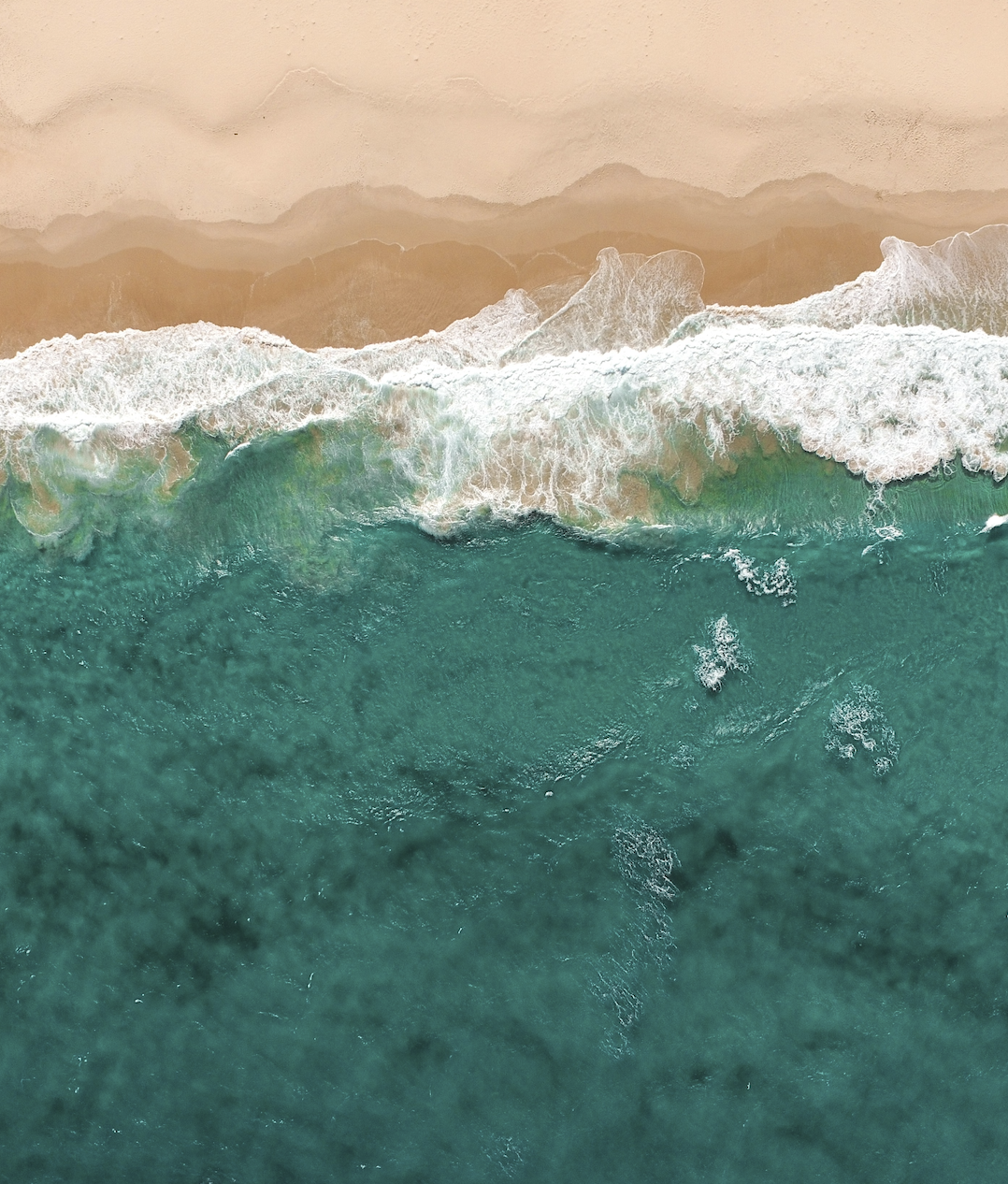
Photo by Joel Vodell on Unsplash
Making a Decision from the First Body: The Trap of Fusion
When a strong emotion—like fear, anger, urgency, or even intense excitement—is active, operating strictly from the First Body creates one massive difficulty: complete fusion with the feeling. You can no longer tell the difference between feeling an emotion and being the emotion.
Inside that "emotion box," three traps lock in immediately:
· Mistaking intensity for truth: When an emotion is loud, the mind treats its volume as proof of accuracy. Fear convinces you that a situation is a crisis; excitement blinds you to obvious risks.
· Tunnel vision: Strong emotion acts like blinders, collapsing your view down to a single urgent target. Long-term consequences and creative alternatives vanish, leaving you feeling trapped in a false "act right now" binary.
· Acting just to relieve tension: Because emotional pressure feels uncomfortable inside the narrow First Body, you rush into a choice just to make the feeling stop. You send the impulsive message, say yes to the wrong opportunity, or walk away prematurely—trading a few seconds of emotional relief for weeks or years of regret.
Making a Decision from the Second Body: Clear Seeing in Action
Many people assume they have to wait until their emotions calm down before they can make a clear decision. In reality, you can step into the Second Body even while the emotion box is still active.
Think of the relationship between your Second Body and First Body like a wise, loving mother caring for her child. When a child is overwhelmed by big emotions and left to handle them alone, it panics, lashes out, or makes short-sighted choices.
Your First Body is the exact same way—it simply isn't built to navigate intense emotional storms by itself. Yet when you step into the Second Body, you bring that overwhelmed child into a calm, steady embrace. You don't scold the feeling or force it to disappear; you simply hold it in a wider space of awareness until the storm settles—and from that grounded care, clear, precise action naturally follows.
Because the Second Body is the larger space holding the emotion, shifting your “seat” into awareness doesn't suppress what you feel—it simply moves you outside the storm (emotion). From that wider field, everything changes:
· Subtle knowing replaces loud excitement: Genuine clarity rarely arrives as an adrenaline rush. When your nervous system isn't hijacked by urgency, your intelligence processes the whole picture at once. The right choice arrives as a calm, unhurried, matter-of-fact knowing.
You take action in the field of subtle peace (what Ram Dass described as fine mist), not relying on like or dislike. So there is neither excitement nor resistance - Both create inner friction and burn energy.
When you act from subtle peace, you simply respond to what the moment asks of you. You do it because it is the natural next step.
· Facts become clear instead of distorted: Resting in awareness doesn't ignore logic; it frees logic from bias. You see the practical realities of a situation honestly, without fear or ego twisting the data.
· Peace of mind comes first: Even if a decision requires courage or disrupts the status quo, choosing from clear seeing leaves you internally steady. Instead of lingering doubt, you feel a clean sense of alignment—and over time, those grounded choices compound into far better outcomes.

A Quick Test Before Your Next Choice
The next time you are about to make an important decision, don't move into a strong emotion followed a thought and act it out.
Instead, pause and check which zone you are looking from:
· Are you inside the First Body? Notice if your mind is rushing to relieve discomfort, or you are chasing a quick emotional high.
· Are you resting in the Second Body? Notice the quiet space that is aware of the emotion-enter it and “sit” there. Acknowledge the feeling fully ("Fear is active right now" or "Excitement is here"), open your awareness to the whole picture, and let the action emerge from that stillness as subtle knowing.
You don't have to eliminate your emotions to make great decisions. You just have to step out of the wave, rest in the ocean, and choose from there.