
The Hidden Energy Behind Michael Singer’s Billion-Dollar "Gift"
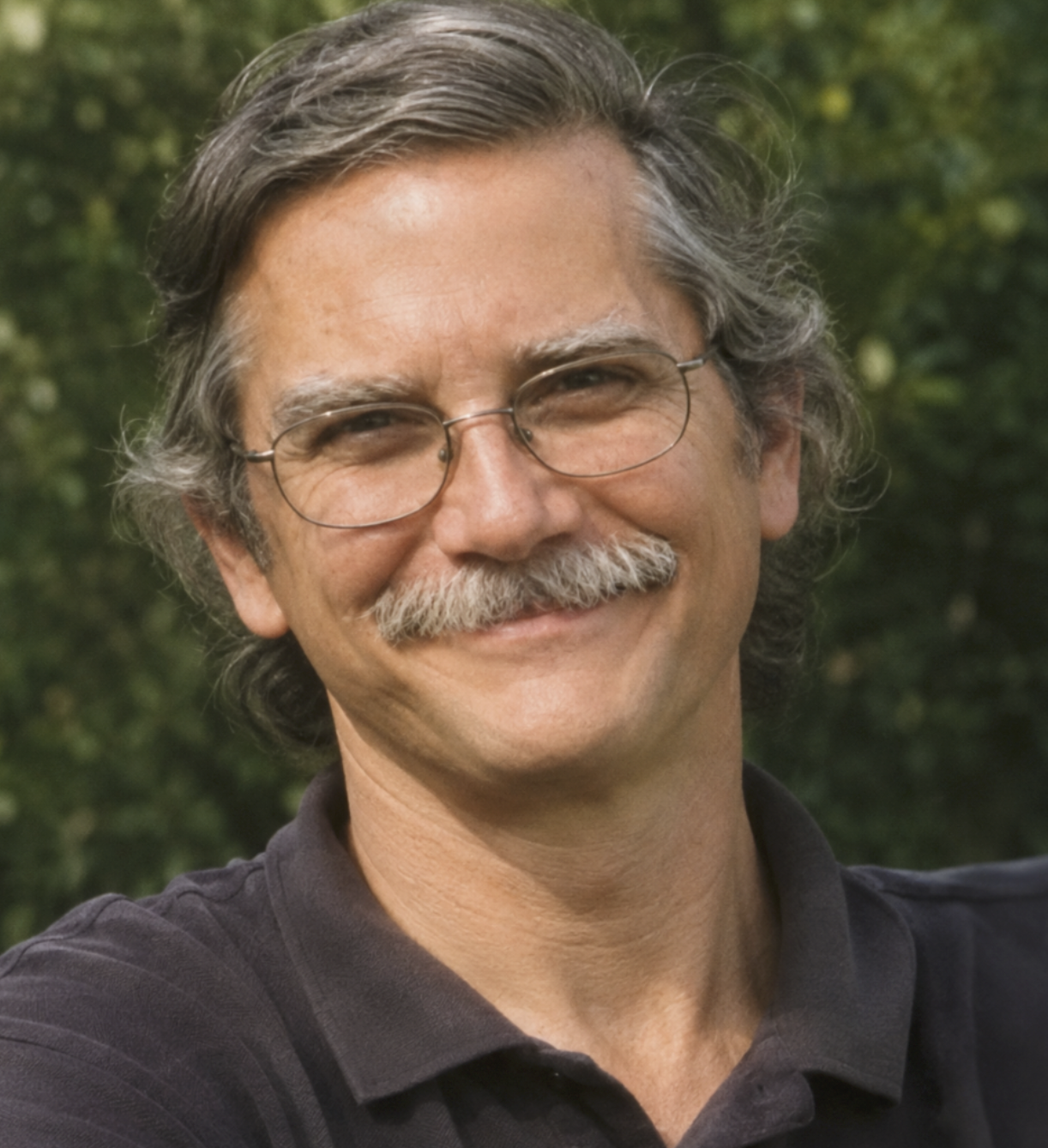
Most of us have been taught that to build something massive, you need relentless hustle, a sharp business plan, and a fierce hunger for success. Yet when Michael A. Singer—spiritual teacher and author of The Untethered Soul and The Surrender Experiment—looks back at how he accidentally built a billion-dollar software company from the woods of Florida, he points to the exact opposite formula.
He stopped treating his work as business, and started treating every project that landed in his hands as a gift to the Universe.
When he made that single internal shift, he noticed something extraordinary: energy began flowing through him so strongly that he could work for hours with complete clarity, zero burnout, and unmatched craftsmanship.
Here is how that shift happened, why it worked, and what modern neuroscience reveals about the massive energy it unlocks.

From Humble Code to a Billion-Dollar Company
In the late 1970s, Singer was living a quiet, meditative life in the woods. One day. local doctors asked him to write custom billing software for their medical practices. He had no grand business plan, no venture capital, and no desire to become a CEO. And he managed no programmers at that time.
Instead of asking, "How much money can I make from this?", Singer approached every line of code as a sacred offering to life itself. Because he viewed the software as a gift to the Universe rather than a commercial transaction, he refused to cut a single corner. He poured total devotion, care, and precision into every detail.
That ego-free craftsmanship set his work apart from every competitor on the market. Organically, without aggressive sales tactics, his humble project grew into The Medical Manager—an industry-defining platform that became a billion-dollar public company, merged with WebMD, and eventually earned a permanent place in the Smithsonian Institution.

The Insight That Changed Everything
How does someone stop caring about personal gain and start viewing ordinary work as devotion?
Singer’s shift came from a profound realization about the scale of life. Through deep meditation, he stepped back from the anxious, needy voice in his head—the ego constantly asking, "What’s in this for me?"—and recognized a simple truth: the Universe has been orchestrating galaxies, ecosystems, and the trillions of cells in our bodies for 13.8 billion years without our personal control.
Seeing that he didn't even create his own heartbeat or breath, Singer realized how absurd it was to micromanage life for personal profit. He saw himself not as the owner of his projects, but as a temporary steward. If life brought a task to his door, his only job was to give it his absolute best and release all attachment to the outcome.

The Neuroscience of Treating Work as a Gift
What Singer discovered through spiritual surrender, modern neuroscience explains through brain chemistry. When you shift from "working as a business" (outcome-driven, transactional) to "working as a gift to life"(service-driven, devotional), you completely rewire your brain’s energy systems:
· Cortisol drops, freeing up mental stamina: When you work primarily for money, status, or validation, your brain constantly scans for threats—rejection, failure, or competition. This keeps your amygdala active and floods your body with cortisol and adrenaline, which silently drain your energy. Releasing attachment to personal outcomes quiets that threat response, freeing up massive cognitive fuel for creativity.
· You eliminate the "dopamine tax": Neuroscientists note that when you work solely for a reward that arrives after the effort—like a paycheck or praise—your brain perceives the work itself as painful friction. When you treat the work as a gift, dopamine is released during the act of creating. Every moment of care becomes self-rewarding.
· Oxytocin replaces burnout with sustainable vitality: Altruistic, generous action activates social-bonding circuits that release oxytocin, alongside serotonin and endorphins. Unlike pure dopamine—which spikes and crashes—oxytocin calms the nervous system, lowers blood pressure, and sustains physical and mental energy for hours without exhaustion.
How You Can Apply This Shift Today
You don’t need to live in the woods or build a software empire to tap into this current of energy.
The next time you sit down to write, build, lead a meeting, or solve a problem, try dropping the weight of personal ambition for just one hour.
Remind yourself: "I didn't invent my mind or the breath in my lungs. Today, I am simply offering this work as a gift to life."
That single thought immediately dissolves performance anxiety and turns writing into a joyful offering.